Bear Photography


Grizzly Bear Watching BC Canada and Wildlife Photography Vacations
Your British Columbia Bear Viewing and Photography Holiday Awaits
Are you looking for a spectacular destination to take your wildlife photography vacations? Tsylos Park Lodge offers you a the comforts of our Canadian Wilderness Lodge with Professional Wildlife photography guides, small groups, and some of the world’s most stunning scenery. Just a one and half hour charter flight from Vancouver, British Columbia, you’ll find one of the best photography destinations amidst the pristine beauty of Pacific Coast Mountains in the Canadian wilderness.
A Photographers Wilderness & Wildlife Paradise
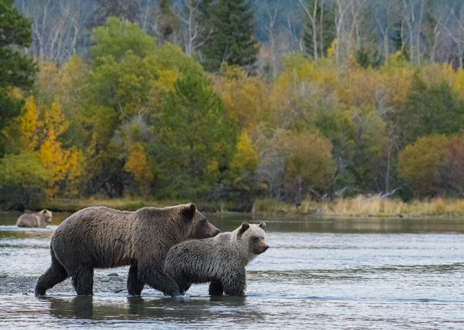
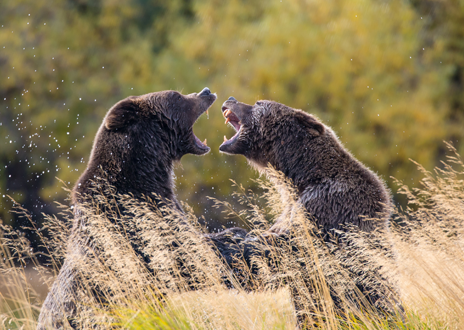
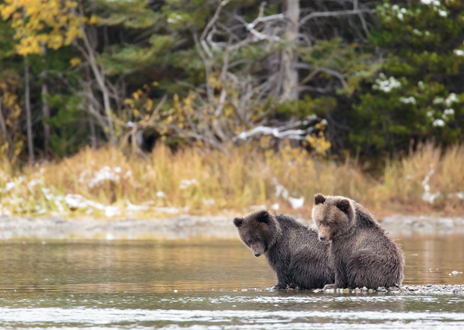
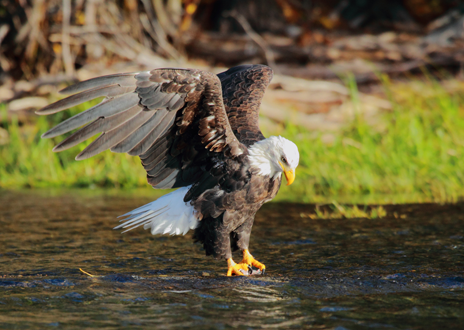
The photographers who join us seek out and experience the most beautiful spots worldwide. The Chilko area is a photographer’s paradise. Known for its stunning beauty and many different species of wildlife, it offers you the perfect spot to shoot to your heart’s content. While we are out looking for Grizzly Bears there are other spectacular landscape and wildlife shots to take from Eagles, Osprey, ducks, geese, Mule Deer, Black Bear and salmon. Everywhere you look, it’s beautiful! With wildlife photo opportunities that can compete with the best locations worldwide, we are happy to provide you with a photography trip of a lifetime. Our bear viewing photography vacations are designed for both the amateur and professional photographer.
Professional, Ethical, and Experienced Guides, Relax, we take care of the details so you don’t have too
We offer you experienced wilderness guides for each three photographers. Your guide can position you for a perfect photo shoot; all you have to do is focus on the wildlife and getting the million dollar shot. Our Professional guides are not only certified bear viewing guides but have years of experience in the area, on the river, and with bears. They are also excellent photographers and can give you tips for the best shots.
Canadian Grizzly Bear Lodge
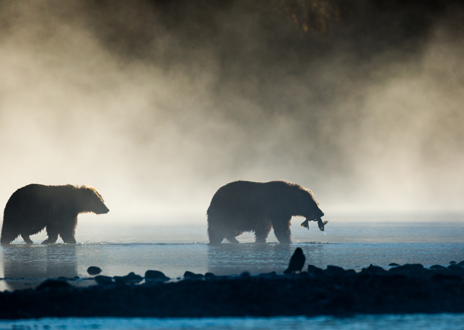
Our intimate log lodge is nestled overlooking the Chilko River. It’s a unique location for viewing grizzly bears as it is located adjacent to the main spawning grounds of the sockeye salmon. You can enjoy viewing the bears from the lodge deck.
For this one week based grizzly bear photography trip, you will be staying at Tsylos Park Lodge in one of our comfortable log cabins or private rooms. Don’t worry about meals, great pride is taken in the delicious meals that are served family style at Tsylos. Enjoy a hearty breakfast prepared by our culinary chef before venturing out for the day. After a fantastic photo shoot, return for lunch to warm up by a roaring fire while enjoying a hot homemade soup, fresh crusty rolls, and delicious cookies hot out of the oven. At the end of the day celebrate the day’s photoshoot with an icy cold drink, an overstuffed chair, or a relaxing soak in the hot tub after an amazing dinner.
Getting to Tsylos is Easy – It’s All Included in Your Package
Traveling to Tsylos is easy. We take the pain points out of getting here. All you have to do is get yourself to the beautiful city of Vancouver, BC, in time to catch our charter flight to the lodge which is included in your seven night Nature and Wildlife Photography package. Just a one and half hour charter flight from Vancouver, British Columbia, you’ll find one of the best photography destinations amidst the pristine beauty of Pacific Coast Mountains in the Canadian wilderness. The flight over the Pacific Coast Mountains is stunning and offers you a taste of the beauty to come.
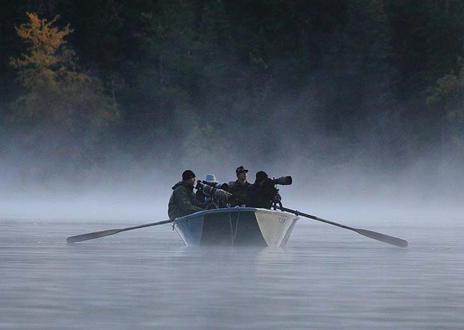
Nature Photography Adventures
It’s Easy to get here. Just get yourself to Vancouver, BC to catch your beautiful one hour plane trip to Tsylos. Shut off your phone, enjoy the view, and get ready for one of the most epic photography trips you’ve ever been on.
Ready to Visit?
Book Your Chilko Adventure Now!
CHILKO TALES...
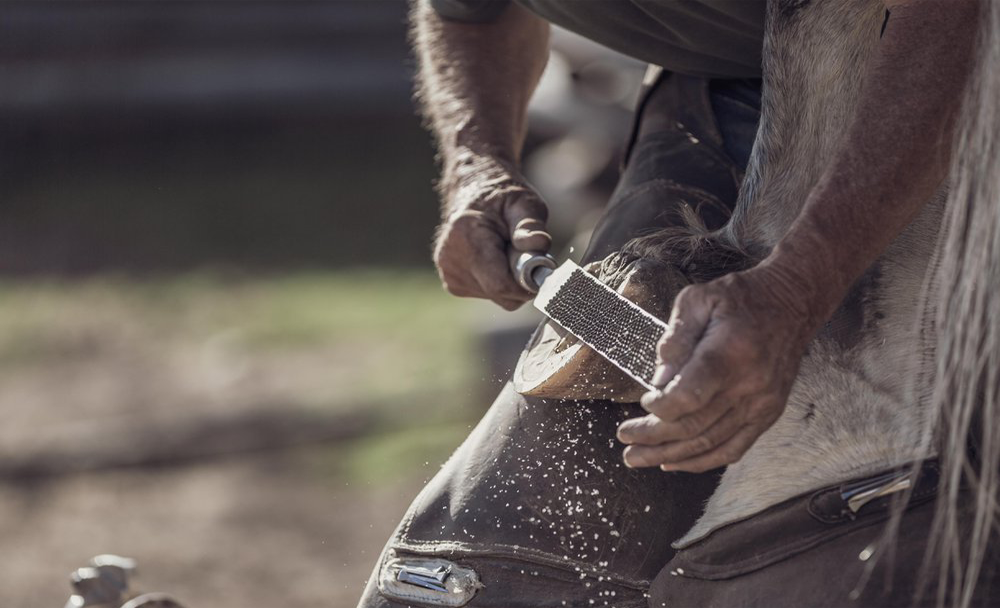
Trail Horse Spring Tune Up
JOIN OUR MAILING LIST
CHILKO PHOTO GALLERY

Tsylos Park Lodge & Adventures
Location: Chilko Lake, BC Canada
Mailing Address: P.O. Box 2560 Williams Lake, British Columbia Canada V2G 4P2
Toll-Free: 1-800-385-6614 / Office: 1-250-483-4368
Email: [email protected]


© 2022 Tsylos Park Lodge & Wilderness Adventures | Chilko Lake BC | All rights reserved.